
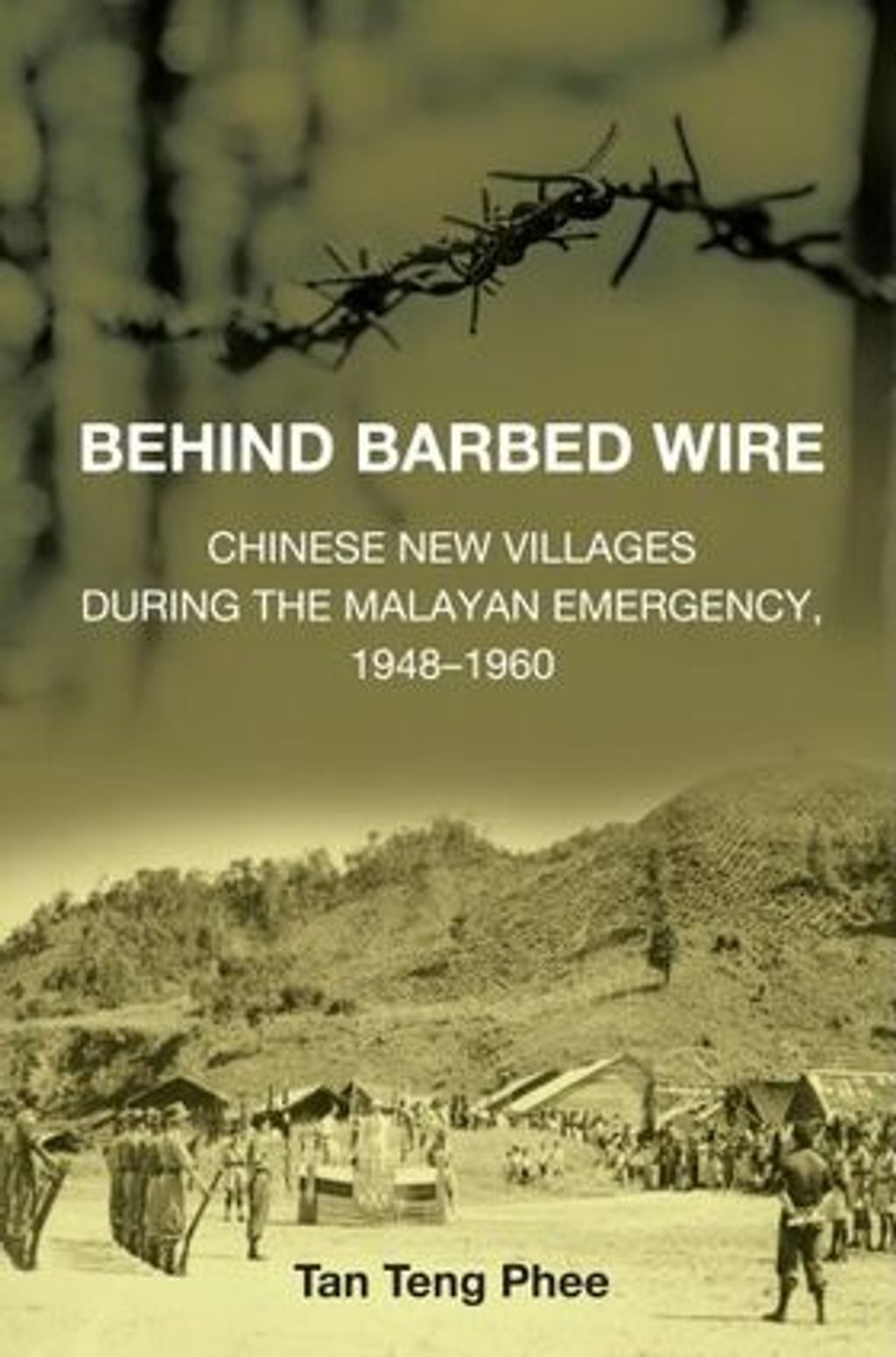
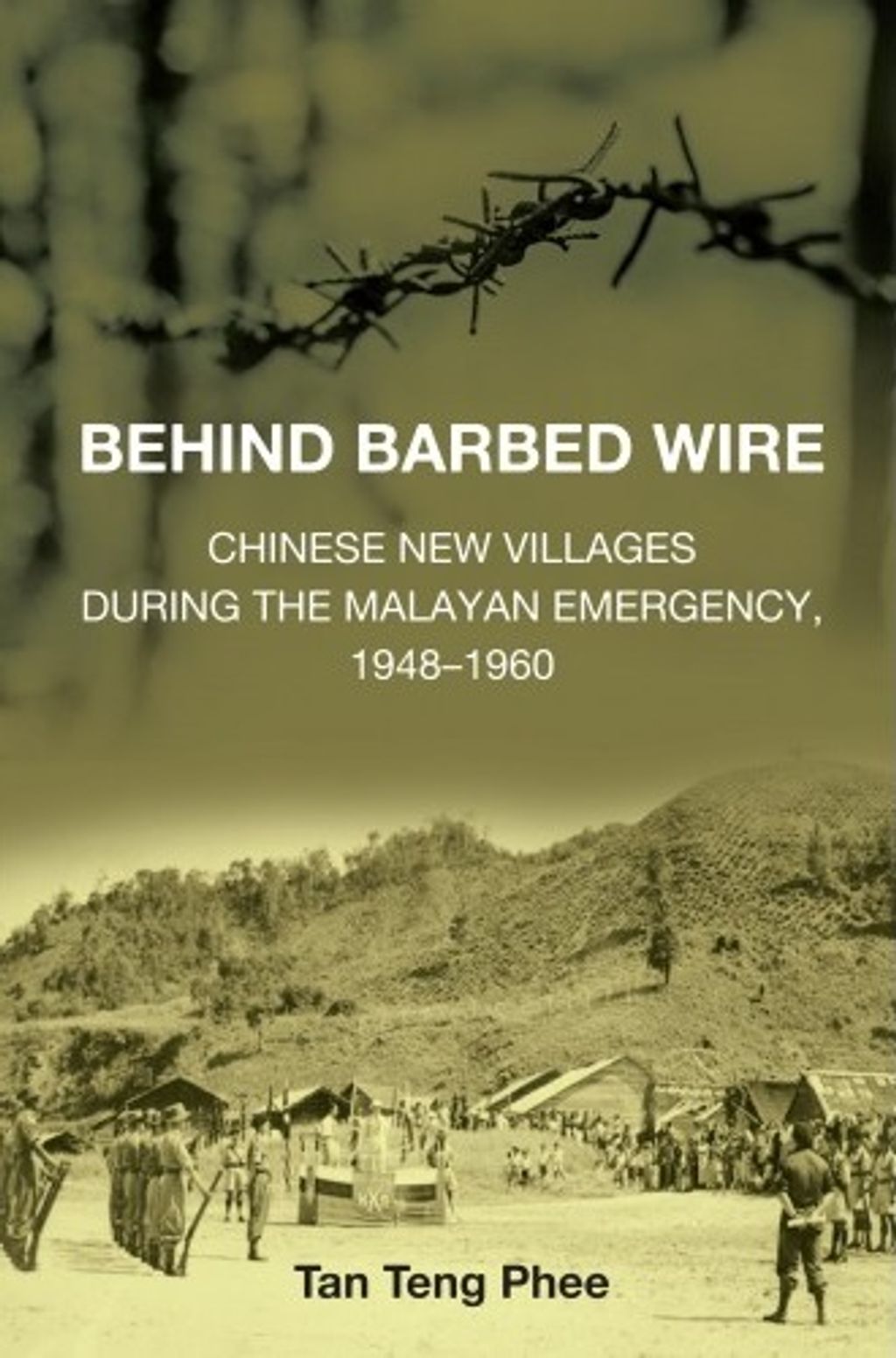
Behind Barbed Wire: Chinese New Villages During The Malayan Emergency
- Regular price
- RM 0.00
- Sale price
- RM 0.00
- Regular price
-
RM 0.00



Share
Behind Barbed Wire: Chinese New Villages During The Malayan Emergency, 1948-1960
Author: Tan Teng Phee
Publisher: Gerak Budaya
ISBN: 9789672165798
Pages: 318
Year: 2020
Weight: 0.525kg
Price: RM68
This unique book revisits the moment in the Malayan Emergency when some 500,000 women, children and men were uprooted from their homes and moved into new settlements, guarded day and night by police and troops. A majority were rural Chinese: market gardeners, shopkeepers, rice farmers, tin miners and rubber tappers who had long made Malaya their home and had lived through the hardships of the Japanese Occupation.
Based upon newly accessible archival materials and painstaking multilingual interviews with more than 80 informants in four New Villages, Tan Teng Phee rewrites the history of the Emergency, exposing the voices of those at the heart of this lauded ‘social experiment’. In Francis Loh’s words, these were ordinary villagers ‘caught in the crossfire between the British security forces and the Malayan Communist Party’ whose lives were turned inside-out and re-ordered completely, with daily curfews, body searches and food controls alongside the carrots and sticks of registration, (re)education, sanitation, psychological warfare and swift punishment.
Highlighting the disciplinary aims of British policy, as well as the ways in which villagers resisted this discipline through ‘weapons of the weak’, this book forms a unique history from below of the Malayan Emergency, and of a resettlement programme which shaped the social and geographical landscape of Malaysia for generations to come.