
Promoting Halal Hotels In Malaysia
- Regular price
- RM 25.00
- Sale price
- RM 25.00
- Regular price
-
RM 0.00



Share
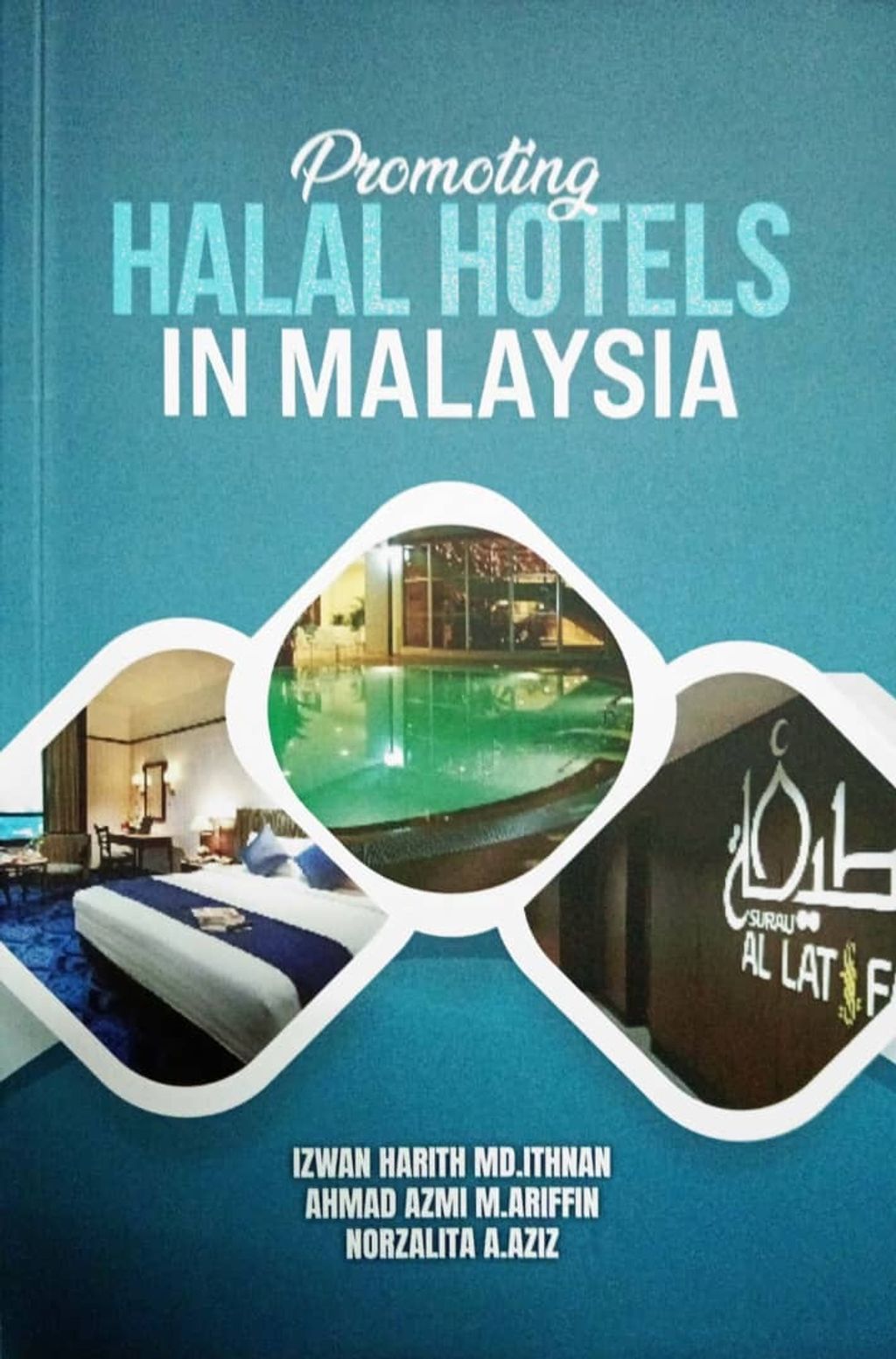
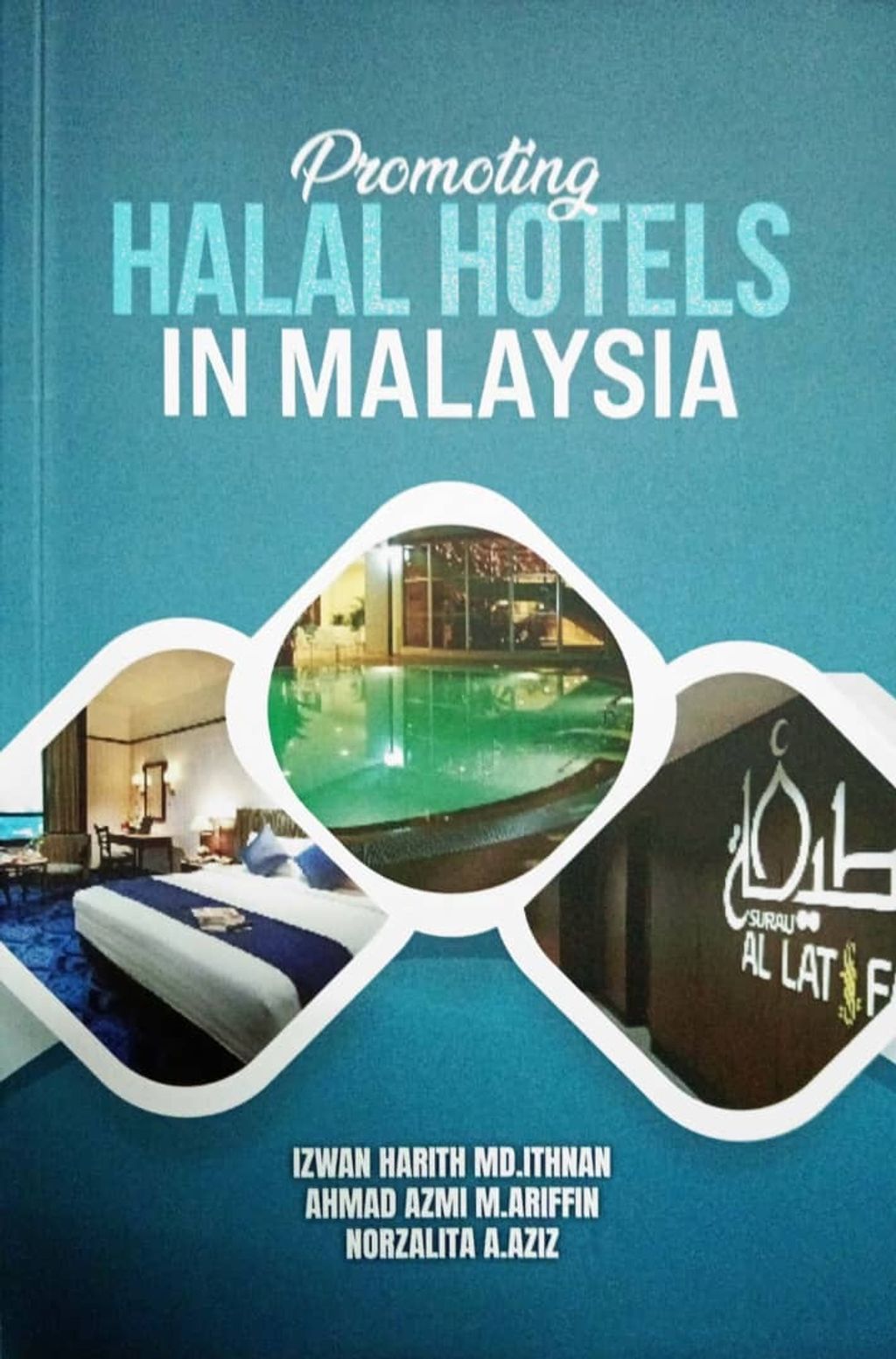
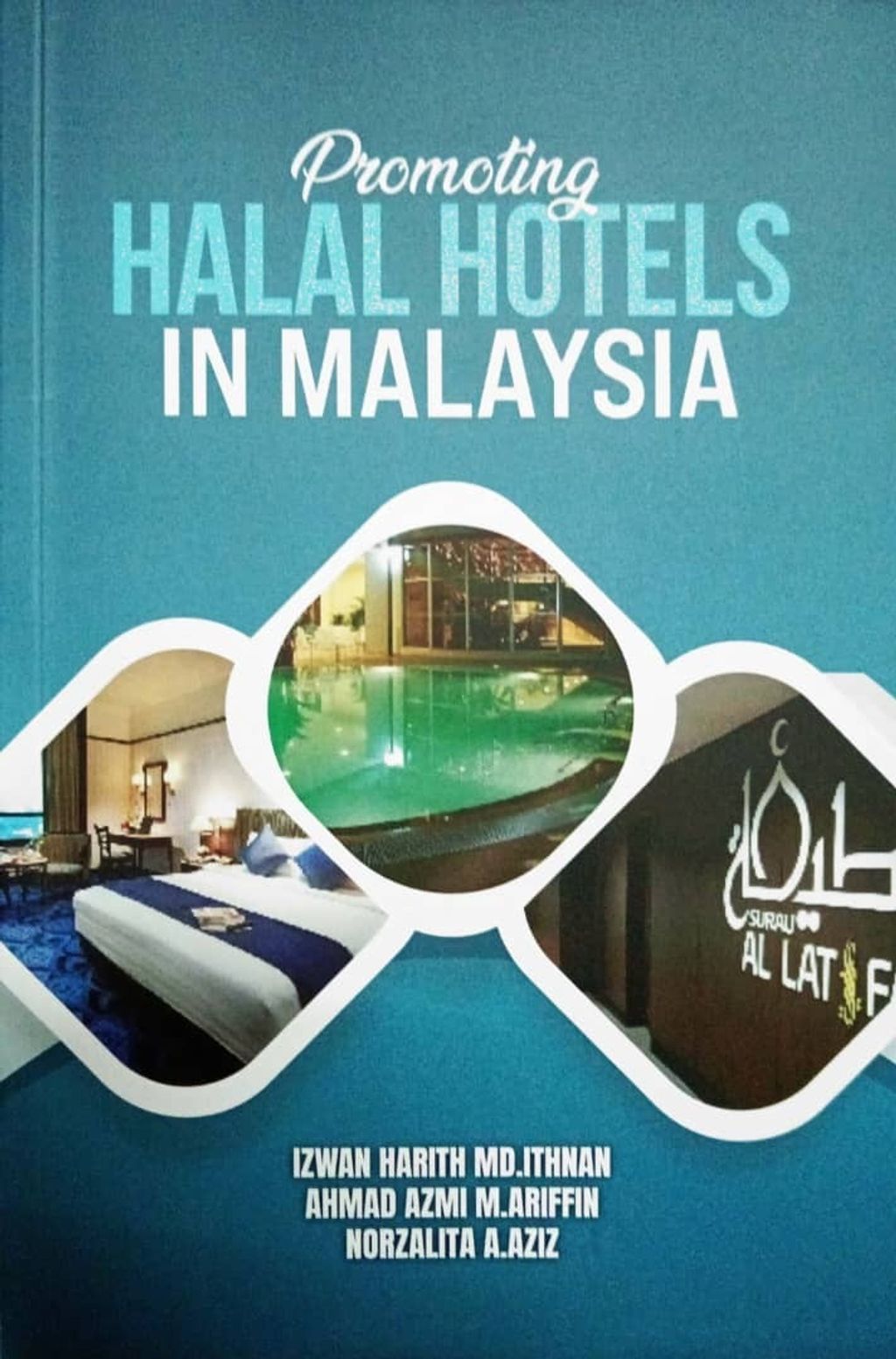
Promoting Halal Hotels In Malaysia
Author: Izwan Harith Md.Ithnan et.al
Publisher: UKM Press
ISBN: 9786294861473
Weight: 0.2 kg
Pages: 104
Year: 2024
Price: RM25
Islam encourages its followers to travel the world to observe and to appreciate Allah's creations. Travelling is indeed an integral part of Islam. However, despite the substantial size of the Islamic tourism market and its influence especially in the lodging and accommodation sectors, knowledge on its nature and characteristics is scanty. Moreover, reading materials on Islamic tourism and hospitality focusing on halal hotels are rather limited.
This book therefore seeks to provide an important source of reference for those interested in gaining a better understanding of different aspects of Islamic tourism and hospitality, particularly on the concept and practice of halal hotels.
This book conceptually and empirically discusses whether the behavioural intention for selecting halal hotels among Malaysian Malay Muslims is primarily motivated by religiosity or by ethnicity values. Specifically, religiosity values are conceptualized as religious commitments while those of ethnicity relate more to ethnic identity. These two factors are essentially different in nature and understanding them is important in Islamic marketing research and for understanding consumer behaviour among Muslims.
Grounded on the Theory of Reasoned Action (TRA), Social Identity Theory and Behavioural Reasoning Theory, this book highlights the role of attitude, subjective norms, religious commitment and ethnic identity in influencing behavioural intention towards halal hotels. The book is divided into five chapters which include overview of halal hotels in Malaysian Islamic tourism; the challenges and significance of halal hotels, the impacts of religiosity and ethnicity on behavioural intention towards halal hotels, the impacts of attitude and subjective norms on behavioural intention towards halal hotels; and the way forward to promote halal hotels in the Malaysian context. Specifically, it has a Malaysian focus highlighting the country's aspiration to position itself as an international halal hub.